REVIEW · NICE
From Nice: Historic Train Ride & Alps Villages
Book on GetYourGuide →Operated by Nice Creative Tours · Bookable on GetYourGuide
One train ride can change how you see the Riviera. This day tour pairs a historic mountain railway with two high-peace villages where medieval walls, Baroque churches, and alpine hiking feel like real life, not a postcard. The catch: you’ll walk a lot, including steep steps and a climb that’s not friendly if your legs are limited.
What I like most is how the timing and pace work together: a long rail stretch for big views, then focused village walks led by your guide. Also, the small group size (up to 15) keeps things manageable, so you can ask questions and actually hear the onboard commentary. A practical consideration: there’s no hotel pickup, so you’ll need to start from the Chemins de Fer de Provence station area early.
In This Review
- Key things I’d plan around
- Getting to the Chemins de Fer de Provence early (and why it matters)
- The historic rail segment: how the journey sets the tone
- La Brigue: medieval fortifications, Baroque cathedral, and the citadel climb
- Lunch in the village: local flavors, real seating, and a break you’ll notice
- Saorge: troglodyte streets, sandstone maze, and the chestnut forest hike
- Guide power: Cyril, Carmela, and what great guiding actually does
- Timing and logistics: a full day with built-in flexibility
- What to pack (so you’re not miserable halfway through)
- Price and value: does $200 make sense?
- Who this tour suits best (and who should skip it)
- Should you book this Alps villages train day?
- FAQ
- What’s included in the tour price?
- How long is the tour?
- Where do I meet the group?
- Do I need to book breakfast or transportation from my hotel?
- How much walking is involved?
- Is there an option for shorter hiking?
- Is this tour suitable for people with mobility impairments?
- What should I bring?
- Which languages are offered?
Key things I’d plan around
- Historic mountain train time: ride first, then villages, so the views land before you start climbing
- La Brigue details: fortifications, a Baroque cathedral, and a citadel walk with gates and towers
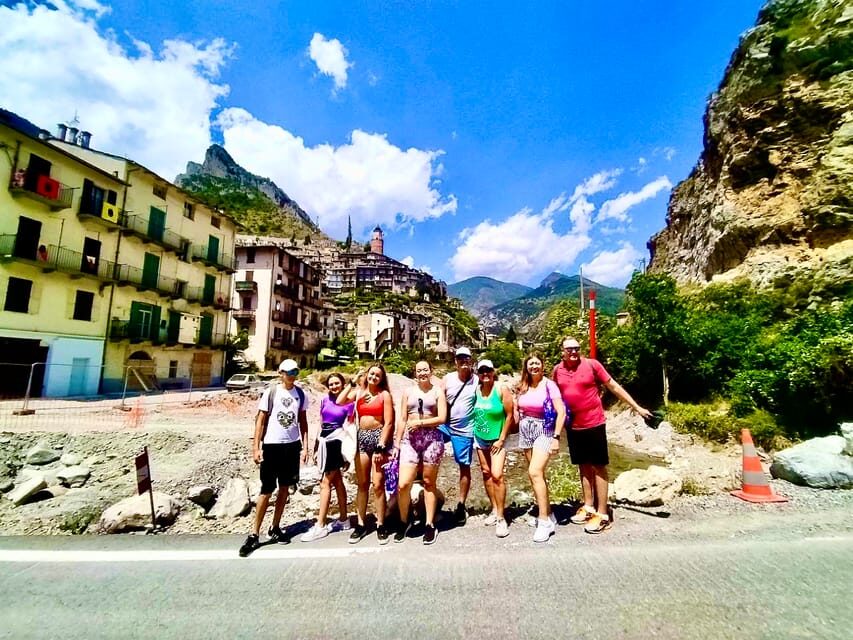
- Saorge’s sandstone streets: troglodyte houses plus an optional hike through chestnut forest and caves
- Lunch that feels local: village restaurant or picnic-style meal tied to regional flavors
- Guide-led storytelling: guides like Cyril and Carmela consistently drive the day through history and humor
Getting to the Chemins de Fer de Provence early (and why it matters)
Your day begins at the Chemin de Fer de Provence area, at the big blue gate of the station complex. The meeting time is 7:30am, and the meeting point is very close to tram line 1 at Libération (you’re basically walking from the Halle de la Gare du Sud area toward the small train station behind it).
Why start early? Because this is a full 11-hour day with two villages and optional hikes. The early start helps you reach the first village before the day heats up and before the most casual day-trippers take over the roads. It also means you get a calmer rhythm: train first, walking second, lunch third, and then a hike that doesn’t feel like it’s being rushed.
You should also know the tour is built around walking. Comfortable shoes are not a suggestion here. People who do well on this typically like steps, hills, and uneven village stone.
You can also read our reviews of more historical tours in Nice



The historic rail segment: how the journey sets the tone
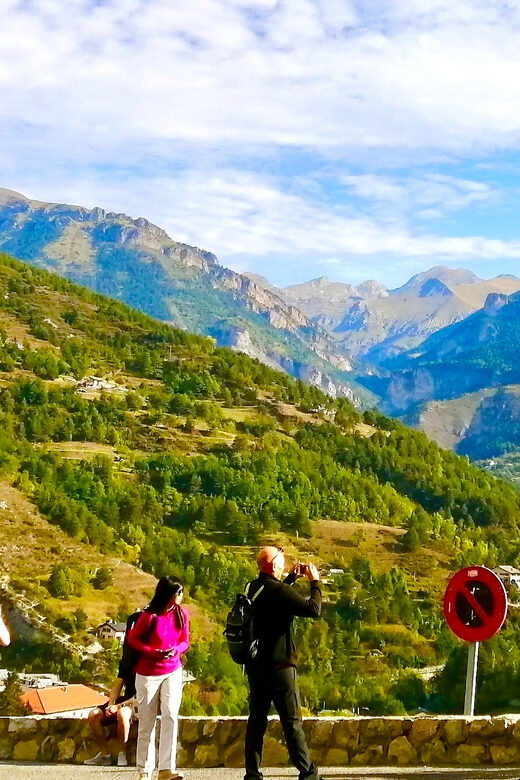
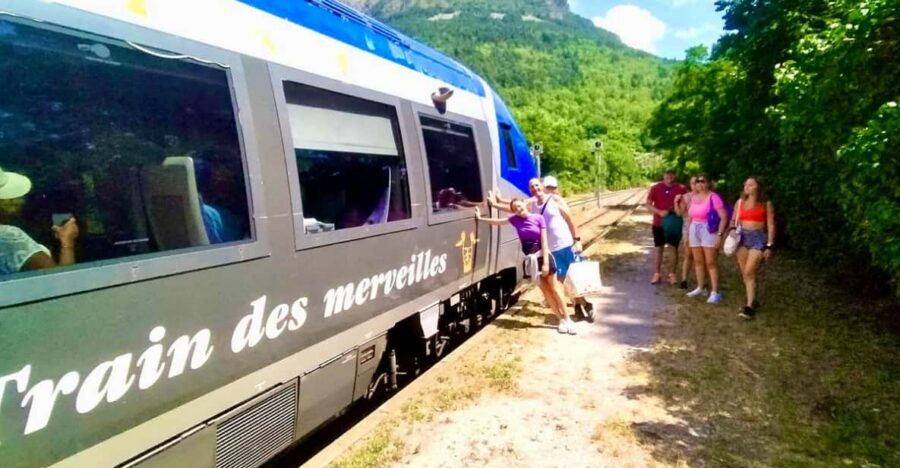
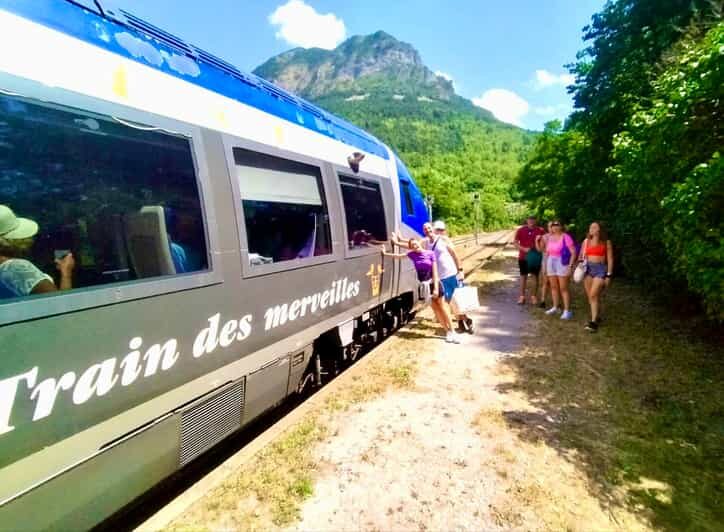
After boarding, you get about 1.5 hours on the train. The ride is part transportation, part moving viewpoint. The route follows alpine terrain with viaducts, tunnels, and deep valleys, so the scenery changes constantly. This is where the day starts to feel “off the main Riviera track,” because you’re not just driving to a scenic spot—you’re traveling through the geography.
You also get onboard commentary, so you’re not stuck staring at scenery while guessing what you’re looking at. It’s designed to match what you’ll see later in the villages, which makes the walking stops click more quickly. The train portion is also a nice break from the pace of big-group tours. It’s slow, scenic, and structured.
One small bonus: this is not a mega-coach situation. The group stays together and the day feels coordinated, helped by the small-group limit of 15.
La Brigue: medieval fortifications, Baroque cathedral, and the citadel climb
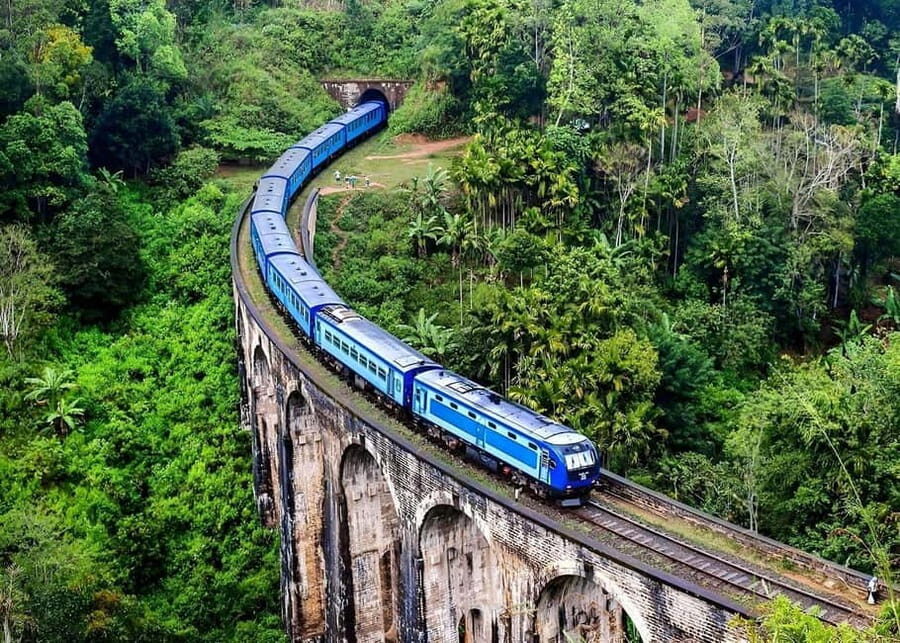
The first village is built for medieval photography and serious wandering. You’ll explore La Brigue with a guided visit that focuses on architecture, faith, and power—massive fortifications, drawbridges, and a Baroque cathedral that signals how important this place became over time.
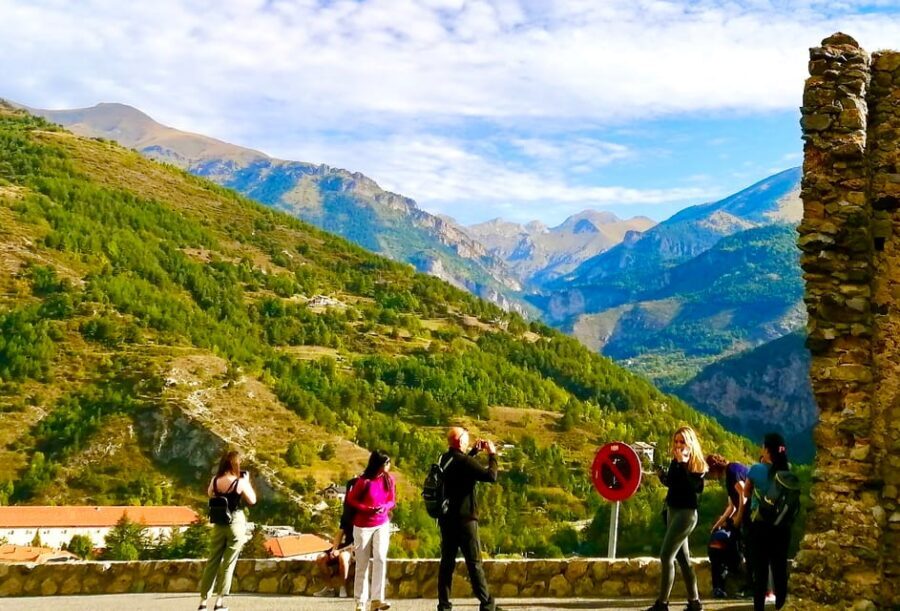
What makes this stop more than a quick look is the way the walking is staged. You’ll have break time and photo stops, then a guided village tour that builds context as you move. After that, you can head higher for views from towers and the citadel area. The walk to the perched castle is typically about 30–45 minutes through gates, and there’s around a 200-meter elevation difference—so you’ll want solid stamina if you choose it.
If you’re traveling with a mix of fitness levels, this part is also where the day becomes “pick your difficulty.” People who want the full climb usually find it rewarding because the views open up across the valley. People who don’t want to climb as much can still enjoy the village core without forcing the citadel portion.
Lunch in the village: local flavors, real seating, and a break you’ll notice
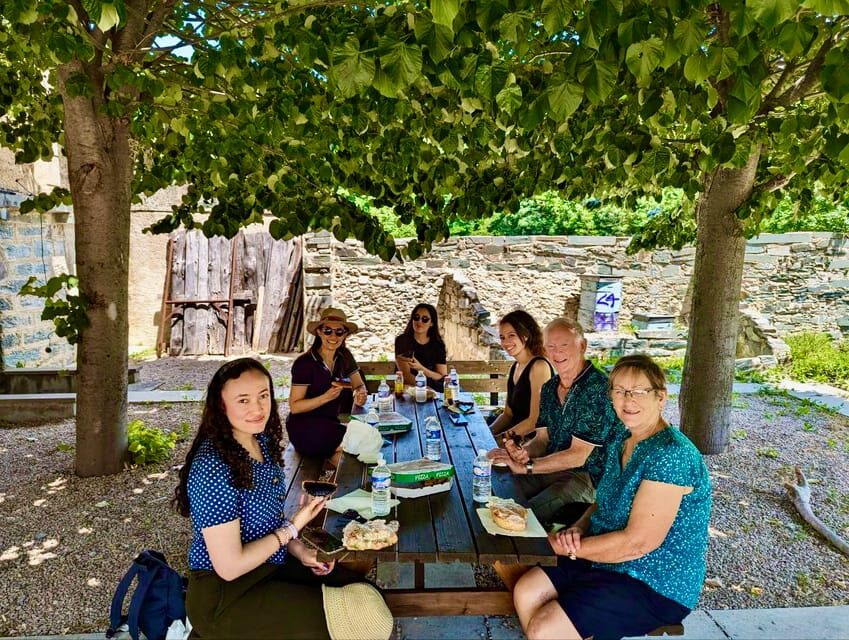
Lunch is either a picnic-style meal or lunch at a local restaurant, depending on the option selected. Either way, the goal is to keep you anchored in village life rather than eating somewhere generic on the edge of a parking lot.
In practice, you should expect a regional-feeling meal. One commonly mentioned picnic-style option is a big bread roll filled with Niçoise salad, which is exactly the kind of no-fuss food that tastes right at home in the region. Other participants have also mentioned standout local classics like onion tart.
Dietary issues are sometimes handled on the day; one guest noted they forgot to flag dietary needs in advance, but the team coordinated a suitable meal at the restaurant. That doesn’t mean you can assume everything will be perfect without advance notice, but it’s a good sign that the guides try to solve problems calmly.
Plan to enjoy lunch as a decompression window. You’ll have already walked some, and you still have the hike option to consider.
Saorge: troglodyte streets, sandstone maze, and the chestnut forest hike
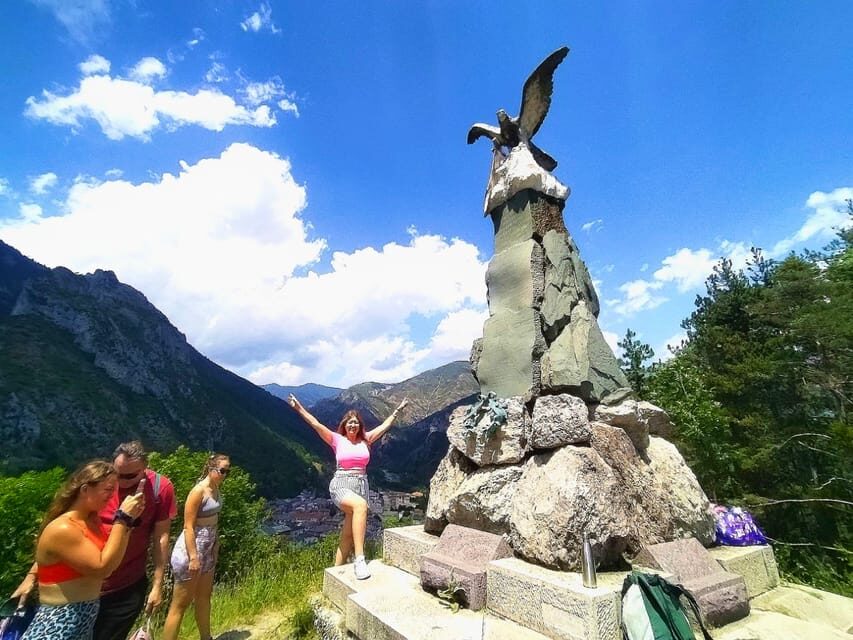
The second village is where the tour gets more physical and more wild. Saorge is known for tight, winding lanes built on sandstone blocks, with troglodyte houses (homes carved or formed into the rock). The village feels like a maze, and that’s before you even step out to the surrounding natural areas.
Inside Saorge, you’ll get guided time first—break time, guided tour, and then a mix of free time and walking. After that, you can take the optional hike through a mystic forest of old chestnut trees, with mysterious caves and sandstone “giant blocks” that are popular with hikers and people who like geology and texture in the rocks.
This is the part with the clearest workout signal:
- There’s a sporty option with roughly 5 km to 12 km walking.
- There are also shorter walk options if you don’t want the longer trail.
- The long hike is recommended for people who genuinely like hiking, not just scenic walking.
You’ll also have some downtime options if you’re not in hike mode: short walks around the village, free time, plus occasional local tastings like wines or pastries (not included), and even a chance to play pétanque/bocces with the group or locals if the schedule lines up.

Guide power: Cyril, Carmela, and what great guiding actually does
The biggest “value multiplier” here is the guide. Many days in this region could feel like wandering from one pretty spot to another. On this tour, the guide keeps the story moving.
Guides like Cyril and Carmela show up again and again in strong feedback, often described as friendly, funny, and fast at connecting the dots. They’ll explain what you’re seeing in the villages and on the train, and they keep the group on track without feeling like they’re herding you like a ticket line.
Two practical guiding habits matter a lot:
- They manage timing so you still get breaks and bathroom chances across the day.
- They adapt when something changes. One example shared by a guest: when a train was canceled, Cyril arranged a bus and rerouted the group to reach Nice later than planned but without leaving everyone stranded.
That kind of calm problem-solving is worth more than it sounds. It’s what turns a day trip into a memory instead of a frustration.
Timing and logistics: a full day with built-in flexibility
The standard day runs from 7:30am meeting to around 8:57pm return to Nice, for an 11-hour experience. There’s also a possibility of a shorter return at 4pm if you’re doing only one village.
In winter sessions (November 6 to February 28), the structure tightens:
- Tuesday, Wednesday, Thursday, and Saturday: 1 village plus hiking, returning around 4pm
- Sunday: 2 villages plus hiking, returning around 6:15pm
Why you should care: the villages involve stairs and steep terrain, so the schedule isn’t just for convenience. It affects daylight, weather comfort, and how manageable the day feels.
Also remember what’s not included: breakfast, and no hotel pickup/drop-off. You’ll want to eat something before you meet and be ready to go right from the station.
What to pack (so you’re not miserable halfway through)
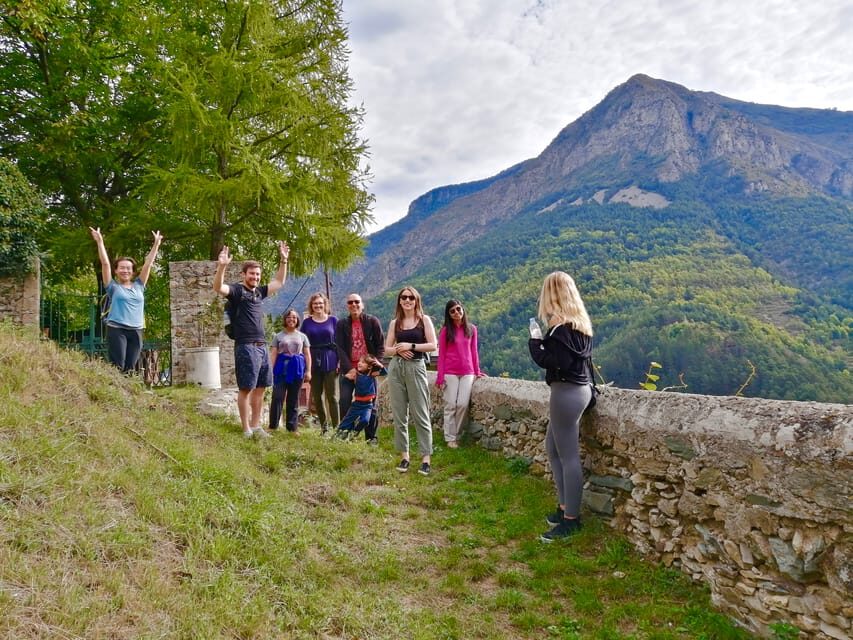
You should pack like you’re going hiking with a history lesson attached.
Bring:
- Comfortable shoes with good grip
- Weather-appropriate layers (this is the Alps, not the beach)
- If you’re doing it in summer hot season and you want to cool off: a towel and swimsuit for a possible river dip (tell the team in advance so they can adapt)
And plan your expectations:
- This is not designed for mobility limitations.
- People who do well usually have no problem with steps, hills, and uneven village surfaces.
- Even if you skip the longer hike, you’ll still be moving through villages and viewpoints.
Price and value: does $200 make sense?
At about $200 per person, this isn’t a cheap “grab-and-go” tour. But the price stacks up better when you look at what’s included.
You’re paying for:
- Roundtrip train tickets on the mountain rail line
- A professional guide across train and village areas, plus commentary in transit and at sites
- Lunch (picnic or restaurant, based on option)
You’re also paying for the structure. The day is built around two villages plus optional hiking, with guided time that helps you understand what you’re looking at. For a place like this, where the charm is in details—fortifications, church architecture, rock-cut housing—self-guided wandering can work, but it often misses the “why.”
The small-group size (max 15) also matters for value. It makes pacing and help more realistic than on mass tours.
If you’re the type who enjoys local stories and walking as part of the experience, this pricing feels reasonable. If you want mostly sightseeing with minimal effort, the price won’t feel like a bargain.
Who this tour suits best (and who should skip it)
This tour is best for you if:
- You want a real day out of Nice into the Alps, not just a quick photo stop
- You like guided interpretation of medieval and Baroque details
- You’re comfortable with hills and steps, and you’re open to the optional 5–12 km hike in Saorge
You should think twice if:
- Mobility is a challenge, because the route includes steep terrain and stairs
- You’re expecting a mostly flat, low-effort walk
Should you book this Alps villages train day?
If you want one day in the French Alps that feels structured, guided, and genuinely different from the usual Riviera loop, I’d book it. The combination of the mountain train ride, La Brigue’s fortifications and Baroque cathedral, and Saorge’s sandstone maze plus optional hiking is a rare mix. Guides like Cyril and Carmela make a noticeable difference because they turn places into stories without turning the day into a lecture.
Just be honest with yourself about the walking. If you can handle steep steps and the option to hike, this is the kind of tour that sticks.
FAQ
What’s included in the tour price?
Roundtrip train tickets, lunch (either a picnic or a local restaurant meal depending on option), a professional guide, and onboard/commentary time in the villages and inside the monuments.
How long is the tour?
It runs for about 11 hours.
Where do I meet the group?
Meet at the big blue gate of Gare des Chemins de Fer de Provence, near the tram stop Libération. The meeting time is 7:30am, and the tour guide will be at the blue gate with a sign for the Alps train experience.
Do I need to book breakfast or transportation from my hotel?
Breakfast is not included, and there’s no hotel pickup or drop-off. You’ll need to get yourself to the meeting point.
How much walking is involved?
You should be prepared for a lot of walking in the villages, with a sporty option that ranges from about 5 km up to 12 km depending on the hike length you choose.
Is there an option for shorter hiking?
Yes. There are short-walk options around the village if you don’t want to do the longer hike.
Is this tour suitable for people with mobility impairments?
No. The tour is not suitable for people with mobility impairments.
What should I bring?
Comfortable shoes. Dress for the weather. If you want a possible dip in the river during summer hot season, bring a towel and swimsuit and let the team know in advance so they can adapt the itinerary.
Which languages are offered?
The guide works in French, English, Italian, and Spanish.