REVIEW · NICE
Mountain Train Experience: Hike & Mystic Forest (From Nice)
Book on GetYourGuide →Operated by Nice Creative Tours · Bookable on GetYourGuide
An Alps train that feels like a movie. This day pairs a historic engineering train with two medieval stops and a serious hike in the Mystic Forest to the King’s Room. I like that you get big views without needing to drive, and you’ll walk through villages shaped by defense and stone-making. The trade-off is a long, uphill day (good fitness needed), with some climbing that you can’t politely sidestep.
What makes it work best is the local guide and their on-board commentary as the train threads bridges, valleys, and tunnels through the Alps south of Nice. I also like that lunch is handled in a practical way for the day’s pace. If your hiking legs are shaky, you’ll have to plan carefully, because the castle climb and the 8–10 km hike are the main event.
In This Review
- Key highlights you’ll actually care about
- Getting there from Nice: the early start that earns its keep
- The train ride through the Alps: bridges, tunnels, and real civil engineering
- Entrevaux: the citadel, the drawbridge, and the walk up the ridge
- Annot and the troglodyte feel: more rugged, more surprising
- The Mystic Forest hike: King’s Room, sandstone “meteor showers,” and chestnut shade
- Choose your hike length: 4 km or about 8 km
- What to expect day-to-day
- Timing and pacing: why this is a full 7:30–9:00 workout
- Who this fits best
- Lunch in Entrevaux: included local food, practical and filling
- Price and value at $188: what you’re really paying for
- What guides bring to the day: Cyril, Carmela, and Matthew as examples
- Should you book Mountain Train Experience: Hike & Mystic Forest?
- FAQ
- How long is the Mountain Train Experience: Hike & Mystic Forest from Nice?
- Where do I meet near Nice?
- How much hiking is included?
- Can I return earlier if I don’t want the full day?
- What languages are available?
- What are my booking options if plans change?
Key highlights you’ll actually care about
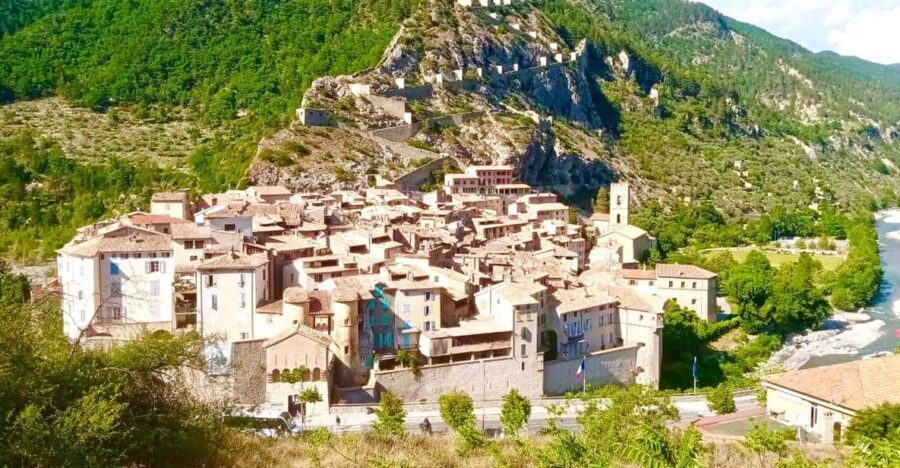
- Two medieval villages: Entrevaux (citadel + drawbridge) and Annot (including a partially troglodyte feel)
- A rare train route crossing the Southern Alps via bridges, valley views, and tunnels (a technical feat from the early 1900s)
- King’s Room hike with giant sandstone blocks and rock shelters, plus centuries-old chestnut trees
- Two hike lengths: about 4 km or about 8 km, depending on conditions and group pacing
- Lunch included as a typical local meal (a picnic style lunch is included)
- Guides matter: groups are led by people like Cyril, Carmela, and Matthew, who bring the story to life
Getting there from Nice: the early start that earns its keep
This is a long day, starting at 7:30am and running until about 9pm. It’s the kind of timing that sounds brutal until you realize what you’re avoiding: crowds, mid-day heat, and the day’s best light slipping away.
You meet at Gare des chemins de Fer de Provence. The directions are clear but you’ll want to follow them closely:
- Go just behind the main entrance of Gare du Sud (marché de la Libération).
- Look for the blue gate of the small station, with a guide holding a blue Mountain Train Experience sign.
- If you’re coming by tram, Line 1 to Liberation is about a 3-minute walk.
This early logistics matters because you’re not just riding a train. You’re doing a full day of walking and climbing around two remote Alpine towns, and those hours stack up fast.
You can also read our reviews of more hiking tours in Nice
The train ride through the Alps: bridges, tunnels, and real civil engineering
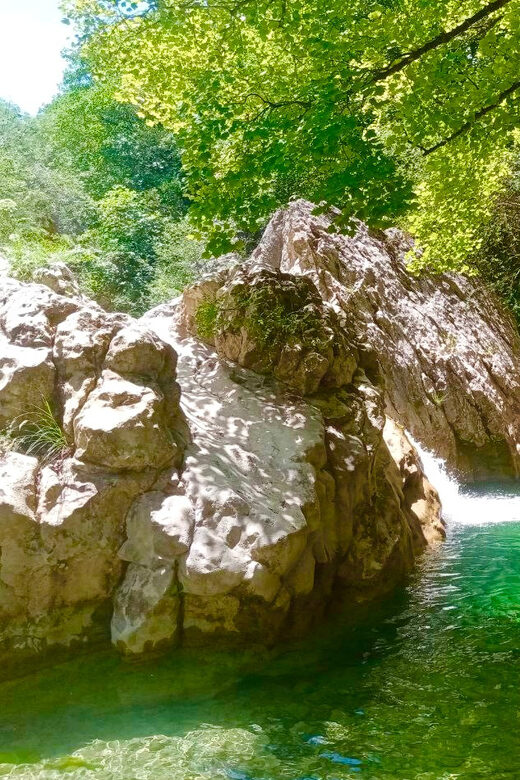
The core of this experience is the historical train line that connects the Côte d’Azur area to the Alps. You’ll spend about two hours on the train with commentary from a local expert, and it’s not just “look at the view” commentary. The guide explains what you’re seeing—bridges, valley sections, and tunnels—so it clicks as a real technical achievement from the early 20th century.
Practically, this part is your reward after the early start. You get:
- long sight lines into valleys,
- dramatic changes in elevation,
- and the sense that you’re traveling through lived-in countryside, not a theme park route.
And when you step off the train, you’ll feel it right away: these towns weren’t built for convenience. They were built for defense, trade, and survival—so the architecture and views make immediate sense.
Entrevaux: the citadel, the drawbridge, and the walk up the ridge
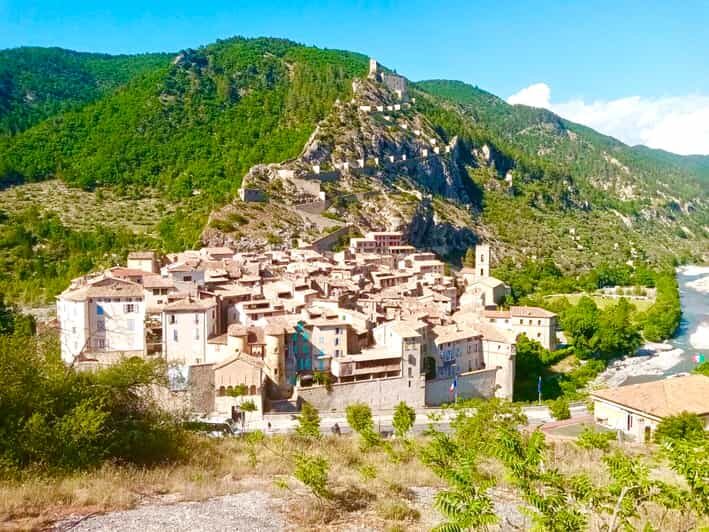
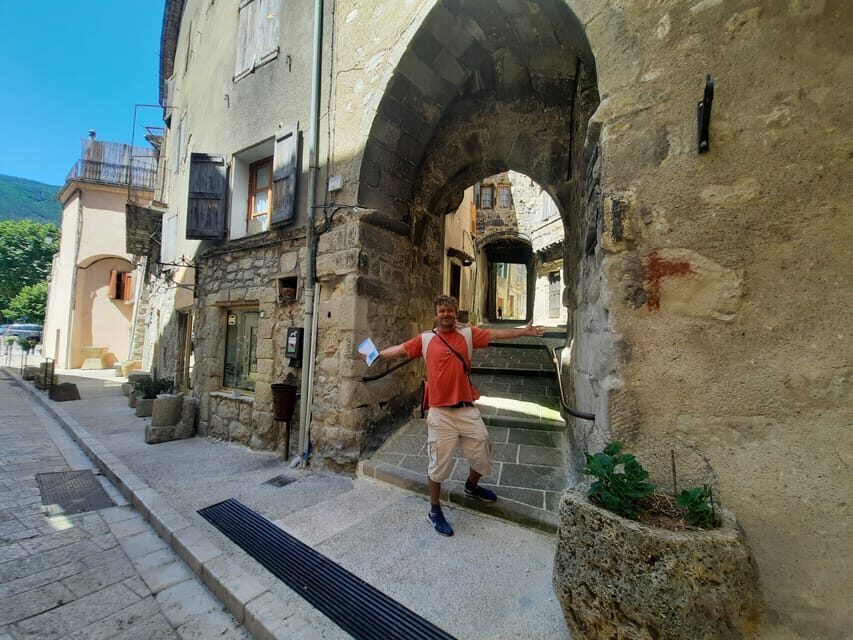
Your first stop is Entrevaux, a town loaded with medieval strongpoints. Think: a fortress perched above the river, narrow defensive street lines, and the dramatic payoff of climbing for views.
Here’s what you’re working with on the ground:
- There’s a citadel area that involves a climb that takes about 30–40 minutes for most people.
- Expect a serious uphill section; the castle area is described as roughly 150 meters (about 450 feet) of uphill, which is only comfortable if you’re in decent shape.
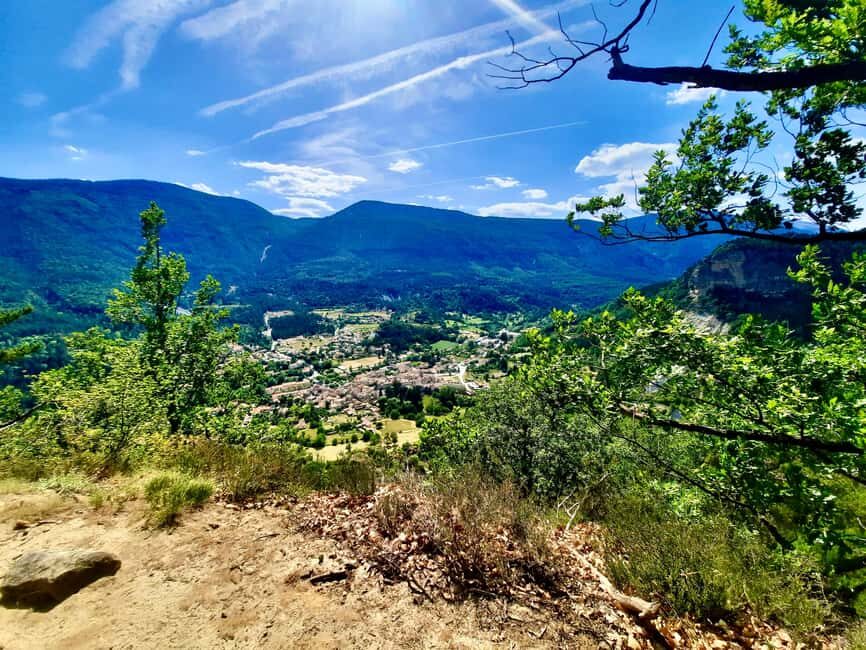
- This isn’t just a quick photo moment—once you reach the ridge, you’ll understand why the town developed the way it did.
Once you’re up there, the highlights are very specific:
- a medieval drawbridge perched above the river,
- a majestic citadel overlooking the valley,
- and a baroque cathedral that adds a splash of flamboyance to the stone-and-fortress setting.
Then comes the pacing reality: your guided tour and time to explore and wander. The time blocks give you walking time plus free time, but the important point is that Entrevaux is where your legs get tested first. Even people who handle the rest of the day well can feel this one early, especially if it’s hot.
Annot and the troglodyte feel: more rugged, more surprising
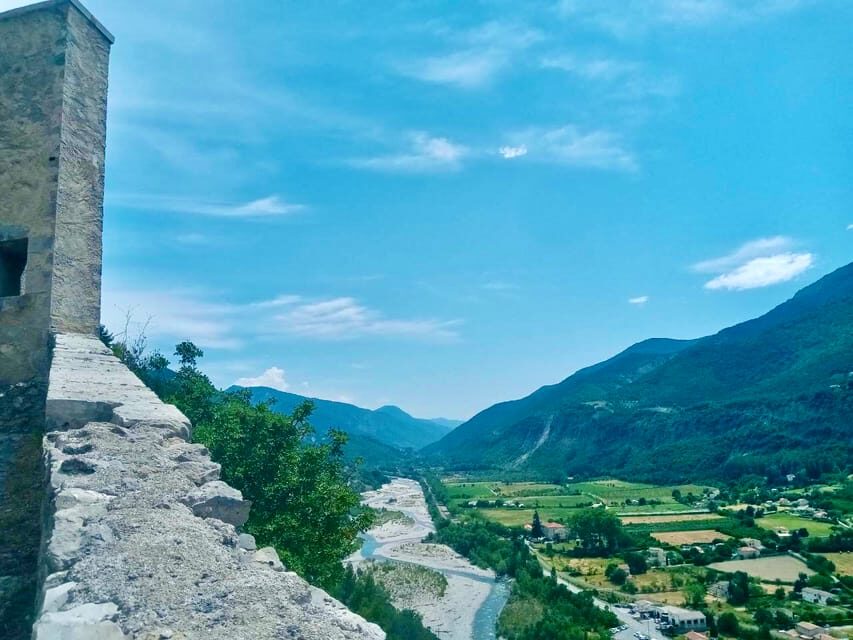
After lunch, you switch villages with a short train hop of about 30 minutes to Annot. This second town feels more rustic and “in the hills,” and it has a different vibe from Entrevaux—less cathedral drama, more geology and stone-town survival.
Annot’s appeal includes:
- a medieval village feel, and
- a partially troglodyte character, meaning you’ll notice how people used the rock itself as part of their living space.
You’ll get guided time plus sightseeing, and then the day turns into the main hike. In other words: Annot is where the program stops being mostly about history and starts being about the outdoors.
The Mystic Forest hike: King’s Room, sandstone “meteor showers,” and chestnut shade
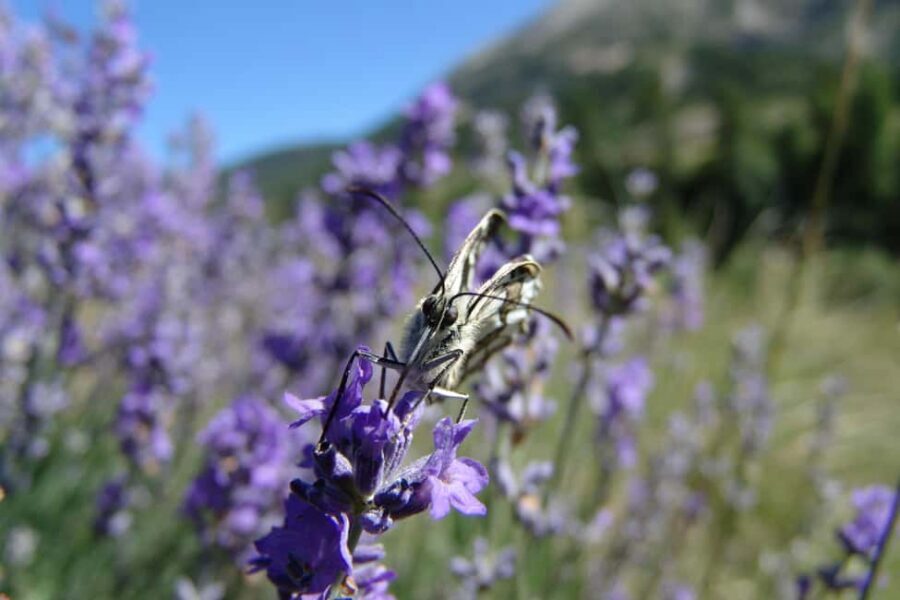
This is the reason the day exists.
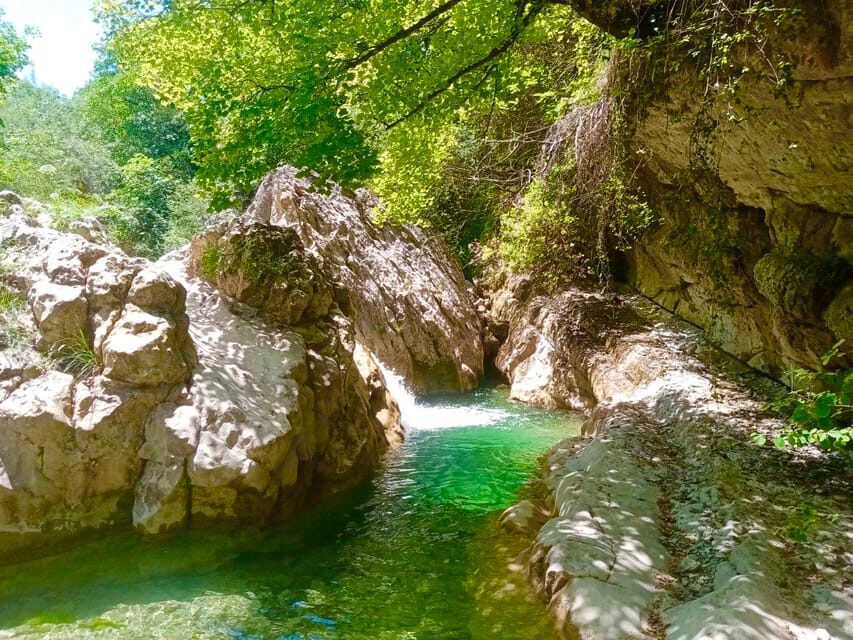
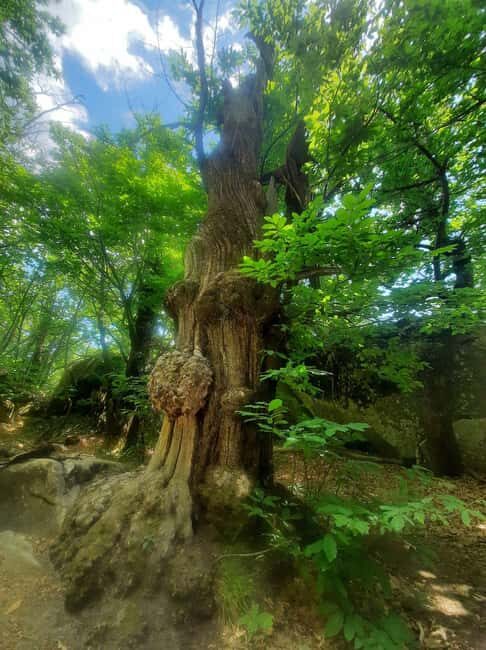
The hike is described as one of the most breathtaking in the region, and it’s not just “pretty woods.” It’s geology made visible. You’re moving through areas with:
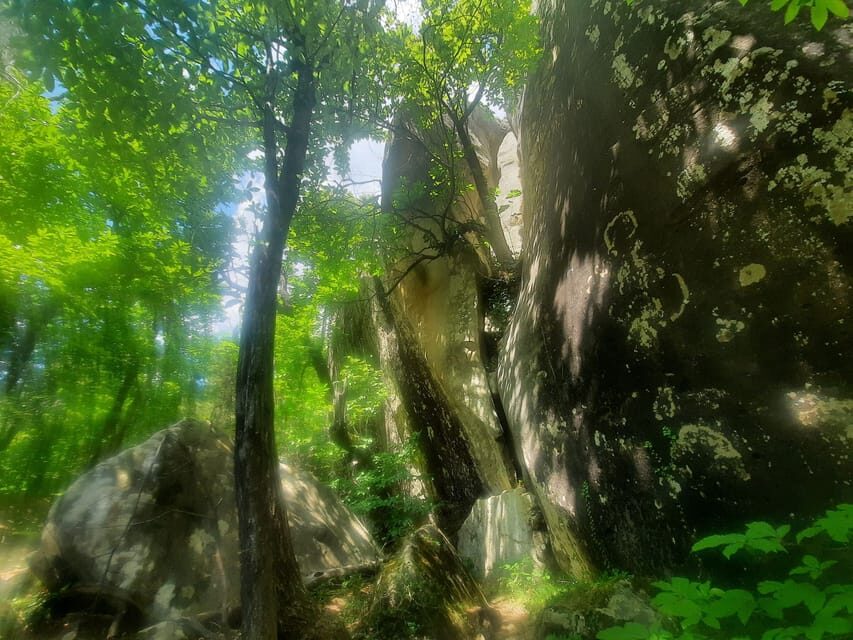
- giant sandstone blocks that create a meteor shower effect,
- rock shelters,
- and a visit to the King’s Room, a specific geological site.
As you walk, you also get real forest atmosphere: multi-century chestnut trees and a sequence of changing scenes over a relatively short stretch.


Choose your hike length: 4 km or about 8 km
Depending on the group’s physical condition, you’ll do either:
- a shorter option around 4 km, or
- a longer loop around 8 km.
If you’re not up for the bigger version, you can also rest in the village—some groups are even able to play pétanque while others hike.
What to expect day-to-day
The hike is rated as sportive, and the guidance is blunt: bring good shoes and come ready for uphills. One theme that comes up again and again is the start can feel tough, even if the rest becomes easier once you find your rhythm. Hot weather makes everything harder, so if you’re traveling in summer, you should plan to move carefully early in the hike.
If you want the full experience, you’ll need that “steady effort” mindset. Think: finish strong, don’t sprint.
Timing and pacing: why this is a full 7:30–9:00 workout
This is a long day. Period.
You’re out from 7.30am until 9pm, and you’re not doing easy, flat sightseeing for most of it. There’s:
- the early citadel climb at Entrevaux,
- plus a hike in Annot that totals roughly 8–10 km for the main group version (distance can vary by option and pacing).
The tour also mentions an alternate “get a taste” approach: you can return by train at 4pm without the guide, and that option includes visiting only one village. That’s useful if you want the historical train ride and at least one town, but don’t want to commit to the full hiking push.
Who this fits best
This tour is best for you if:
- you can handle uphill walking without stopping every 50 steps,
- you’re comfortable with 8–10 km hiking,
- and you want both “stone towns” and “nature geology.”
It’s not a fit if you have mobility impairments or heart problems, and it’s explicitly not suitable for wheelchair users. The day also isn’t designed for baby strollers, bikes, or electric wheelchairs.
There’s also a weight and age guidance: not suitable for people over 220 lbs (100 kg) or over 95 years, and it’s not meant for people with recent surgeries. If any of those apply, you’ll want to look at a gentler option.
Lunch in Entrevaux: included local food, practical and filling
Lunch is built in so you don’t lose time hunting down food during a remote day.
The info you’re given is that lunch is a typical local picnic style option, and there’s also mention of a local restaurant meal as part of the plan. Either way, the important practical takeaway is this: lunch is handled for you, but drinks are not included, and water bottles aren’t included either.
So I’d treat lunch as fuel, not a long sit-down. Pack water plans for the entire day and don’t assume you’ll be able to buy what you need mid-hike.
What’s especially praised is that the lunch can include genuinely local touches—one account highlights local cuisine and even a local wine from Boucher, tied to a family-run stop used for the day’s meal.
Price and value at $188: what you’re really paying for
At $188 per person, this isn’t a budget half-day. But it’s also not “tour-only” expensive.
You’re paying for:
- a long full-day program with a timed train route,
- expert guiding (local expertise and on-board commentary),
- two distinct villages with built-in story time,
- and a real hiking component that most people won’t replicate easily on their own with this exact combination of towns + geology.
This is also one of those days where time itself is part of the value. You leave early, travel between remote points, and return late—because the route and the hiking work only with a full-day schedule.
If you want the train scenery plus one village, the 4pm self-return option can also improve value, since you can reduce the hiking commitment.
What guides bring to the day: Cyril, Carmela, and Matthew as examples
A good guide can turn “nice views” into a story you’ll remember for years. This trip clearly leans on that.
Names that show up in strong feedback include:
- Cyril, praised for being passionate and extremely informed about France, Nice, and the surrounding area.
- Carmela, praised as an excellent guide and for looking after the group well.
- Matthew, praised for his knowledge and for keeping the day moving even in heat.
The practical benefit: with a knowledgeable guide, you spend less time guessing what you’re looking at. The train engineering sections, fortress design, and geology at King’s Room all connect into one coherent day.
Should you book Mountain Train Experience: Hike & Mystic Forest?
Book it if you want a day that mixes Alps train travel, medieval fortress towns, and a real hike with distinctive geology. It’s especially worth it if you’re coming from Nice and don’t want to piece together transportation, timing, and walking distances on your own.
Skip (or choose another route) if you:
- dislike long days (7:30am–9pm),
- aren’t comfortable with uphill walking,
- or need a low-impact itinerary.
This is a powerful day, but it’s designed for people who show up ready to move.
FAQ
How long is the Mountain Train Experience: Hike & Mystic Forest from Nice?
The full experience runs for about 13 hours, starting at 7:30am and typically ending around 9pm.
Where do I meet near Nice?
Meet at Gare des chemins de Fer de Provence, just behind the main entrance of Gare du Sud (marché de la Libération). Look for the blue gate and a guide with a blue Mountain Train Experience sign. If using tram, take Line 1 to Liberation (about a 3-minute walk).
How much hiking is included?
You’ll do a hike around 8–10 km as part of the main plan, with options depending on conditions: about 4 km or about 8 km. There is also an option to rest in the village if you don’t join the longer hike.
Can I return earlier if I don’t want the full day?
Yes. There is a possibility of returning by train at 4pm without the guide, with visiting only one village.
What languages are available?
The live guide offers French, English, Italian, and Spanish.
What are my booking options if plans change?
You can cancel up to 24 hours in advance for a full refund. You can also reserve now and pay later to keep your plans flexible.