REVIEW · NICE
Nice: Old Town Food Walking Tour
Book on GetYourGuide →Operated by Original Food Tours · Bookable on GetYourGuide
Your nose leads the way in Nice. This Old Town food tour turns Place Masséna into a starting line for 8–10 tastings, guided by local food lovers and kept moving with wine and stories about what makes the city taste like itself. I especially like the mix of market-style stops and shop-to-shop bites, so you get a real feel for everyday Nice food culture.
The main catch is simple: it’s a 210-minute walk, and you’ll spend plenty of time on your feet, hopping between stalls and counters. Past groups I’ve chatted with were led by guides like Jael and Johanna, and they kept the pace friendly, but comfy shoes matter.
In This Review
- Quick hits
- From Place Masséna to the Old Town: How the Tour Feels in Real Life
- 8–10 Stops and 210 Minutes: The Pace and Portion Reality
- Stop One: Olive and Olive Oil Tasting That Sets the Tone
- The Market Moment: Lavender Smell, Produce Focus, and Local Food Logic
- Wine, Bread, Cheese, and Cured Meat: The Savory Core
- Sweet Stops: Chocolate, Pastries, Macarons, Ice Cream, and Truffles
- The Specialty Shops and Secret Tasting Factor
- Group Size, Guide Energy, and What You’ll Actually Talk About
- Price and Logistics: Is $141 Good Value?
- Who This Tour Suits Best (and Who Might Prefer Something Else)
- Final Call: Should You Book the Nice Old Town Food Walking Tour?
- FAQ
- How long is the Nice Old Town Food Walking Tour?
- Where do we meet for the tour?
- How many stops are included?
- What tastings are included?
- Is hotel pickup and drop-off included?
- Is the tour wheelchair accessible and what language is it in?
Quick hits
- Place Masséna as your launch point: start right where the city opens up, then head straight into the Old Town.
- 8–10 tasting stops in one run: wine, cheeses, cured meat, pastries, chocolate, and more.
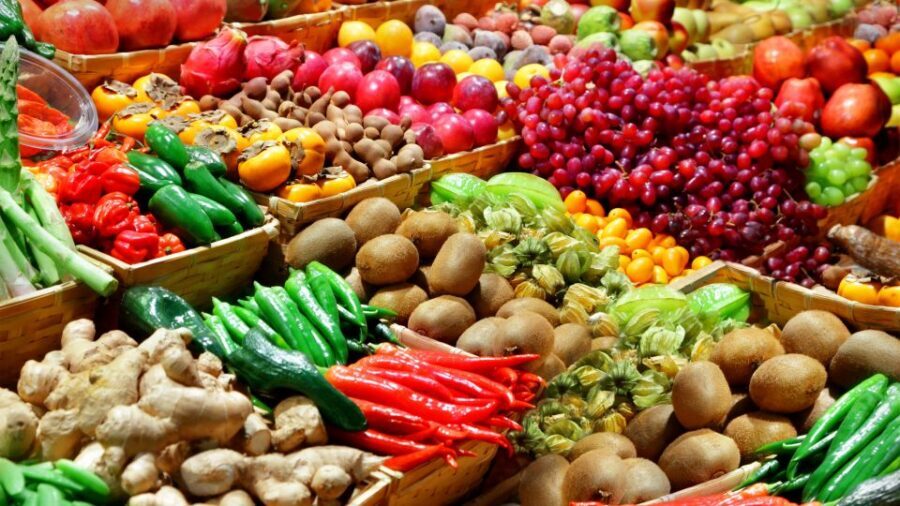
- A real market moment: you’ll taste standout ingredients and learn how they show up in classic Niçoise dishes.
- Sweets plus savory, with a secret tasting: you don’t just sample what you’d expect.
- Small group size (10 max): easier conversations with your English-speaking guide.
- Typical French atmosphere: lavender scents, shop windows, and the kind of street life that makes Nice feel real.
From Place Masséna to the Old Town: How the Tour Feels in Real Life
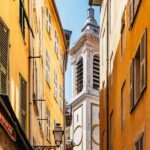
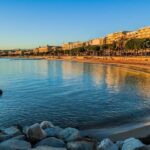
Nice’s Old Town is the kind of place where food isn’t a side quest. It’s the main story. This tour starts at 1 Place Masséna, then threads into the city’s core, where architecture and street life set the mood before you even taste anything.
In about 3.5 hours, you’ll cover a lot of ground, but it doesn’t feel like a speed march. The format is built around short stops: taste, chat, ask questions, then move on. And because it’s limited to 10 participants, you can actually hear your guide and talk back instead of yelling over a crowd.
I like that the tour doesn’t treat Nice food as a museum piece. It connects what you taste to the kinds of dishes people order and cook locally, like salade niçoise, ratatouille, and socca (an unleavened pancake). That little context makes the tastings feel smarter, not random.
You can also read our reviews of more walking tours in Nice
8–10 Stops and 210 Minutes: The Pace and Portion Reality
The promise here is straightforward: 8–10 stops in 210 minutes. That’s enough time to snack your way through savory and sweet without turning it into a full-day food festival.
The tastings are the star, not a formal meal. You’re getting small portions at multiple places, plus wine tasting and a secret tasting tucked into the route. In practice, that often means you can skip a proper lunch afterward, because you’ve already covered the basics: something salty, something creamy, something briny, something pastry-like, and something chocolatey.
If you’re the type who likes to eat very slowly and linger in one shop, the schedule may feel a bit “on the move.” But if you’re comfortable with a steady walking pace and you enjoy variety, the time window works well.
Stop One: Olive and Olive Oil Tasting That Sets the Tone
One of the most memorable early moments is the olive-and-olive-oil tasting. You start with a shop visit focused on olives, olive oil, and honey—simple ingredients, but treated like they matter. That’s a Nice theme: ingredients first, then technique.
This is a good warm-up because it tunes your palate before you hit richer foods. Olive oil also gives you a reference point for what you’ll later notice in cheese, cured meats, and market produce. And honey adds a sweet note that helps later tastings feel connected instead of thrown together.
There’s also a practical side: early tastings mean you’re not stuck waiting until later to start eating. By the time you reach the market area, you’re already in the groove.
The Market Moment: Lavender Smell, Produce Focus, and Local Food Logic
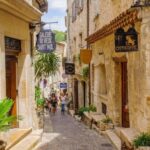
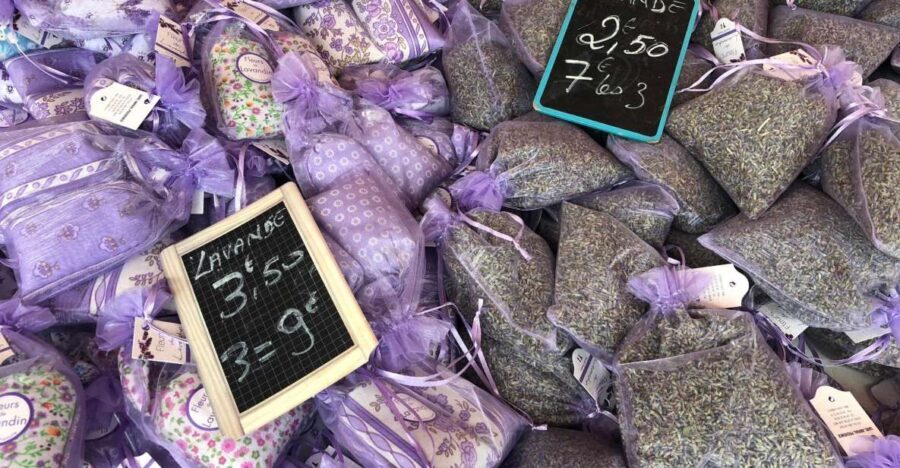
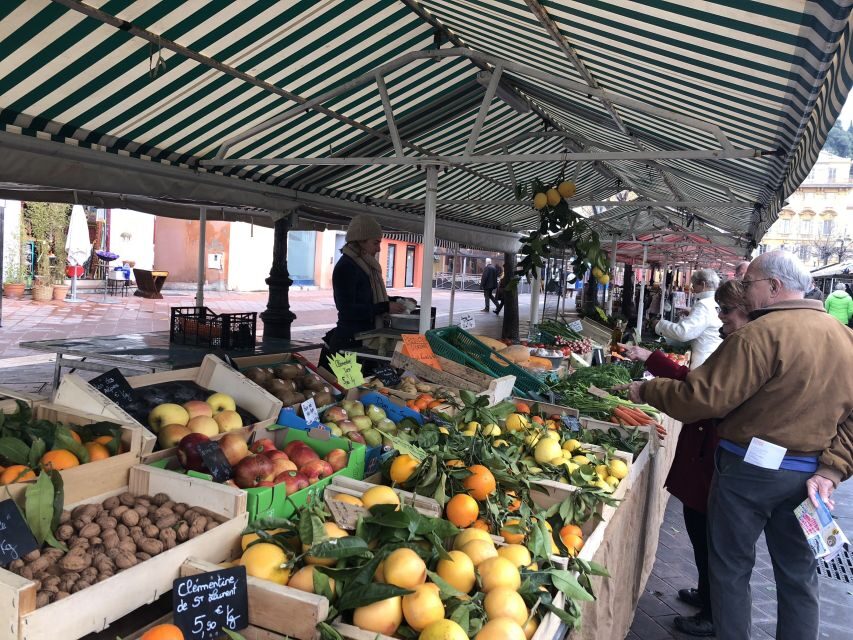
After the opening shop, the route shifts into market territory. This is where you’ll get that unmistakably French street-and-stall atmosphere: the smell of fresh lavender, the energy of people choosing ingredients, and the everyday rhythm of shopping.
The tour’s market component is more than just a walk-through. You taste and learn what makes the best produce and ingredients in the south of France worth seeking out. That’s the big value: your guide helps you understand what to look for, not just what to eat.
This is also where classic Nice flavors start to make sense. When you try foods tied to local favorites—think of salade niçoise, ratatouille, and socca—the market stops stop feeling abstract. You can almost connect the dots: ingredients you saw at stalls often show up in those familiar dishes.
A quick consideration: markets can be crowded and lively. If you don’t like shoulder-to-shoulder situations, you’ll still be fine, but you’ll want to stay flexible with your position in the group during the busiest moments.
Wine, Bread, Cheese, and Cured Meat: The Savory Core
Next comes the savory middle of the tour, built around wine tasting, plus bread, meat (cured), and cheeses. This section is valuable because it covers multiple parts of the French pantry in one go: something salty from cured meat, something creamy or sharp from cheese, and a grounding base from bread.
Wine tasting here isn’t a lecture. It’s part of the tasting rhythm, so you can actually pair what you’re eating. That pairing skill is useful later, too—especially if you’re the type who buys a bottle and then wonders what to serve with it.
This is also one of the areas where your guide’s personality makes a noticeable difference. Several guides associated with this tour style their explanations around the city: how food fits local life, and how the ingredients you’re tasting relate to the region.
You can also read our reviews of more food & drink experiences in Nice

Sweet Stops: Chocolate, Pastries, Macarons, Ice Cream, and Truffles
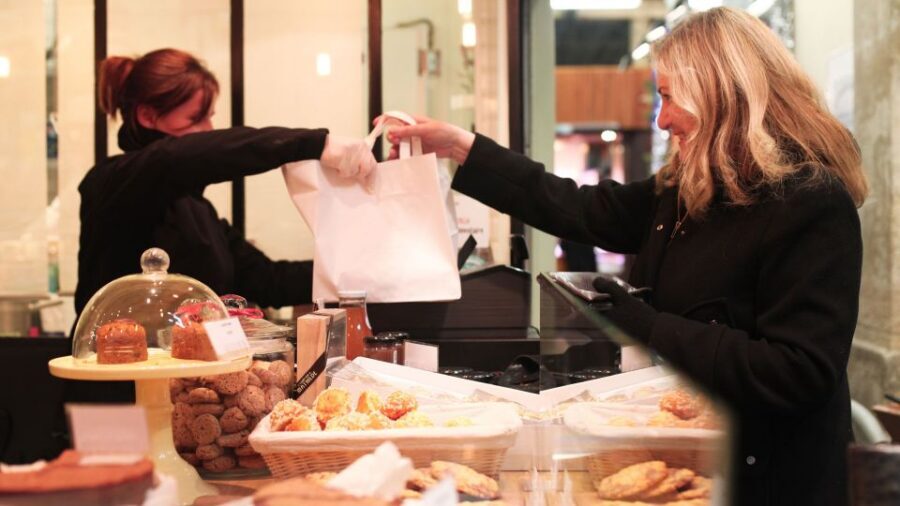
Then comes the part you’ll remember later when your hotel room feels too quiet: sweets. Included along the way are chocolate and pastries, and you may also get stops for things like macaroons, ice cream, and truffles.
The sweet route matters because it balances the tour. You’re not just sampling sugar after sugar. You already have olive oil flavors, market produce, and cheese and wine in your head—so the pastry and chocolate taste like a finish, not a reset.
A practical tip for your enjoyment: pace yourself. It’s tempting to chase every bite at full speed, especially if you spot a favorite-looking pastry. But the best strategy is small sips, small bites, and a moment to compare flavors between stops. That’s how you learn what you actually like, not just what you ate.
If you have a strict sweet preference (all chocolate, no pastry, etc.), the tour’s mix may feel slightly broad. But the variety is also the point: it’s a tour of Nice food culture, not one dessert brand.
The Specialty Shops and Secret Tasting Factor
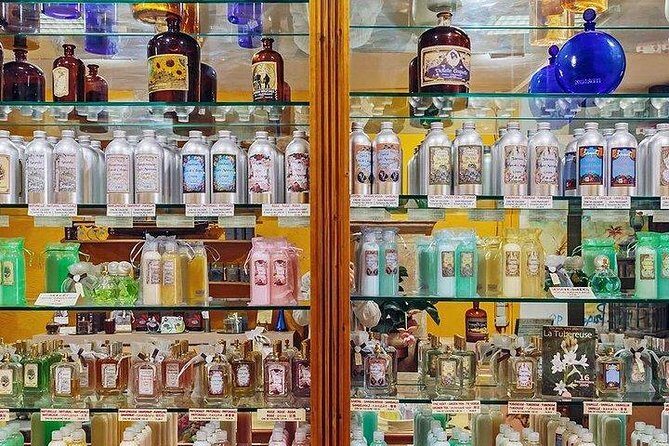
You’ll visit a speciality shop and a market, and there’s also a secret tasting. Those labels matter because they signal that not every stop is a big billboard attraction. The tour tries to blend well-known French treats with smaller, focused places where the staff care about what they’re selling.
This is where I think the tour earns its reputation for fun. The secret tasting keeps things playful, and specialty shops often feel more personal than chain-style stops. You get to ask questions, learn what each item is called, and figure out what to look for when you’re shopping on your own later.
One thing to watch: if you’re very detail-obsessed and want to know every ingredient every time, ask questions early. Your guide can only go so far with explanations while still keeping the group moving.
Group Size, Guide Energy, and What You’ll Actually Talk About
This is a small group tour, capped at 10 participants, and it’s led by an English-speaking guide. That combo changes everything about the experience. You don’t just receive information—you get a back-and-forth conversation, especially around food choices.
From the guides connected with this experience—people like Jael, Johanna, Malvina, and Heloise—a common thread is enthusiasm for Nice itself. They tend to connect tastings to city landmarks and local history in a way that stays practical rather than heavy.
Even better: because it’s not a mega-group, you have time to ask foodie-to-foodie questions. Want to know why a certain ingredient is used, or how something fits local dishes? This kind of tour is set up for those exchanges.
Price and Logistics: Is $141 Good Value?
At $141 per person for 210 minutes and 8–10 stops, this isn’t a budget snack. But it’s not priced like a casual stroll either.
Here’s why the value can work well: you’re paying for multiple categories of food—wine tasting, cured meat, cheeses, chocolate, pastries, and more—plus time with a guide who helps you understand what you’re eating. You’re also not spending your own time piecing together tastings across multiple shops.
For me, the best way to think about it is: if you were going to DIY this, you’d likely end up hunting down places, paying separately, and still not getting the simple guidance that makes tastings make sense. The tour packages that effort into one route, one timing window, and a group format that keeps it social.
If you hate the idea of drinking wine on a tour, or you’re traveling with a tight food budget, you may feel the cost. But if you like variety and want a guided route that replaces at least part of a meal, it can feel like fair pricing.
Who This Tour Suits Best (and Who Might Prefer Something Else)
This tour fits you well if you:
- love walking Old Town streets and stopping often
- want a fast, guided way to sample Nice and nearby-region specialties
- enjoy market atmosphere and want help spotting good ingredients
- like learning alongside tasting, not sitting through a lecture
You might want to choose another kind of experience if you:
- dislike walking and standing for long stretches
- prefer one type of food over mixed savory-and-sweet routes
- need totally quiet time, because the pace is conversational and social
Final Call: Should You Book the Nice Old Town Food Walking Tour?
I’d book this when your goal is simple: get up close to Nice food culture without doing homework. Starting at Place Masséna, then moving into the Old Town with a guide, you’ll leave with more than a stomach full of tastings—you’ll have a mental map of what to look for when you’re shopping or ordering on your own.
One smart move: eat light before you go. Wear comfortable shoes. And come ready to ask questions—this tour works best when you treat it like a guided foodie chat through the streets.
FAQ
How long is the Nice Old Town Food Walking Tour?
It lasts 210 minutes.
Where do we meet for the tour?
The meeting point is 1 Place Masséna, 06000 Nice, France.
How many stops are included?
The tour includes 8–10 stops.
What tastings are included?
Included tastings cover wine tasting, cured meat, cheeses, chocolate, pastries, a speciality shop, market, local delicacies, and a secret tasting.
Is hotel pickup and drop-off included?
No. Hotel pickup and drop-off is not included.
Is the tour wheelchair accessible and what language is it in?
Yes, it’s wheelchair accessible, and the tour is in English.