Bellet wines meet a medieval lunch day. This private outing pairs Bellet AOP vineyard visits with real producer time and tasting, and it can be led by a trained sommelier-level guide like Franck, Peter, or Erwan. You’ll also spend a good chunk of the day in a car and on your feet, and at $564.72 per person it’s best if you value a private, guided format enough to pay for it.
What I like most is the mix of wine learning and place. In the morning you tour two Nice-area vineyards in Bellet, with cellar and winery visits plus walking time in the vines, then you break for lunch in the medieval village of Saint-Paul-de-Vence. In the afternoon you head toward Saint Jeannet to meet a winemaker focused on preserving traditional wine methods in harmony with the land.
One more thing to consider: the tour is weather-dependent and runs about 8 hours starting at 9:30 am. If your schedule is tight or you hate long days, plan extra buffer and keep expectations realistic.
In This Review
- Key highlights worth your attention
- Bellet AOP mornings: why Nice’s wine scene feels personal
- Domaine De La Source: meeting producers and taking in the vines
- Chateau de Cremat: learning your way through the tastings
- Saint-Paul-de-Vence lunch break: medieval wandering time
- Saint Jeannet winemaker visit: traditional methods with a living viewpoint
- Finishing at Vignoble Rasse: buying bottles and shipping them home
- The tasting experience itself: about 15 wines, pairing talk, and local olives
- Price and value: what you’re really paying for at $564.72 per person
- Timing and logistics: how to make the 9:30 am start work
- Who should book this private Bellet wine day?
- Should you book? My straight advice
- FAQ
- What time does the tour start and how long is it?
- Is lunch included?
- How many wines will we taste?
- Do I get picked up from my hotel or another location?
- Is this a private tour?
- What’s included besides tastings?
- Is the tour only for experienced wine drinkers?
- Is the tour dependent on weather?
- Are service animals allowed?
Key highlights worth your attention
- Bellet AOP focus: this is Nice’s own appellation, not a generic “Côte d’Azur wine” stop.
- Cellars + vines, not just a tasting room: you get to see how wine moves from grapes to cellar.
- About 15 wines tasted: a real sampler day with the guide talking through what you’re tasting.
- Saint-Paul-de-Vence lunch time: free time in a medieval village, not just a quick roadside bite.
- Traditional-method winemaker in Saint Jeannet: an afternoon that slows down and puts craft first.
- Local olives and olive oil tasting: a savory counterpoint to wine, made from Olives de Nice.
Bellet AOP mornings: why Nice’s wine scene feels personal
Bellet is one of those places where the wine story is tied to geography and old habits. Instead of hopping between random estates, this tour stays in Nice’s backyard and builds a clearer picture of what makes Bellet grapes and winemaking tick. You’ll taste with context, because you’re meeting producers and spending time where the grapes actually grow.
It’s also a smart choice if you’re trying to taste beyond the usual vacation labels. One guide experience tied to this region includes tasting Braquet, a grape native to Bellet. And at least one estate uses aging in glass amphora—yes, the vessel part is part of the story here, not just a marketing line. Even if those specific examples aren’t part of your day, you’ll still get the sense that this area has its own rhythm.
Domaine De La Source: meeting producers and taking in the vines
The day starts with Domaine De La Source. This is the part of the tour where you’ll get oriented fast: you meet the people behind the wines, you tour the winery and cellars, and you get time to wander in the vines. That wandering matters. You’re not only looking at fermentation tanks and bottles; you’re seeing where the grapes sit and how the vineyard setting shapes the work.
In practical terms, your guide is with you all day, so you’re not stuck with a silent group transfer between stops. You’ll have guided explanations on local wine making culture and on tasting itself—what to pay attention to in the glass and how to connect flavors to winemaking choices. This works especially well if you don’t already have a system for tasting wine.
Chateau de Cremat: learning your way through the tastings
After the first estate, you continue with a second vineyard experience at Chateau de Cremat. This is where the tasting becomes more than sampling. Your guide walks you through aspects of wine making and gives tips that help you interpret what you’re drinking instead of just ranking it at the end.
You should expect a big tasting day overall—about 15 different wines across the tour. That’s enough variety to find favorites, but it also means you’ll want to go at a sensible pace. If you’re the type who likes to taste slowly and take notes, you’ll probably enjoy the way the guide leads the conversation. If you’re more of a quick sip-and-move person, it can still be fun, but you’ll need to keep yourself from feeling rushed.
Saint-Paul-de-Vence lunch break: medieval wandering time
Around lunchtime, you get a break to explore Saint-Paul-de-Vence, one of the famous medieval villages on the Côte d’Azur. The key point here: lunch is on you. It’s not included, but you’ll have time to choose from the restaurants and cafés in the village.
This is exactly the kind of stop that adds value without eating up the whole day. The village is walkable for most people if you wear comfortable shoes, and it’s a good place for a relaxed meal and a bit of shopping if that’s your thing. One helpful move: after you sit down, ask your guide for a simple plan for the afternoon so you don’t spend the walk back thinking about logistics.
Saint Jeannet winemaker visit: traditional methods with a living viewpoint
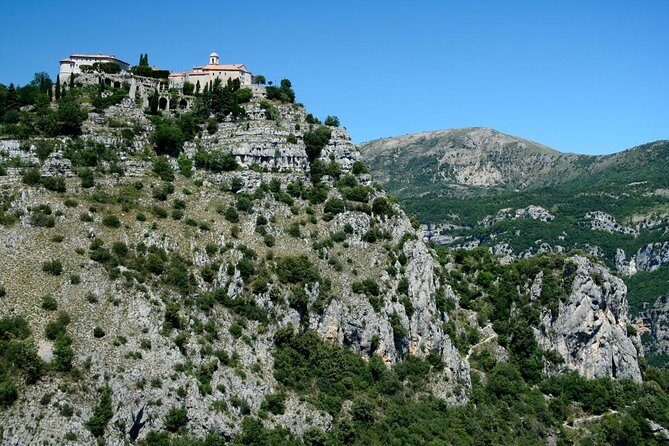
In the afternoon you head to Saint Jeannet to meet a winemaker dedicated to preserving local, traditional wine-making methods in harmony with the environment. This is the part of the tour that tends to feel less like a schedule item and more like a conversation with craft.
You’ll visit the vineyard, then finish with a tasting that’s framed as a highlight of the day. The way this segment is structured is useful: it keeps the afternoon from feeling like a second round of the same tasting room experience. Instead, it leans into the idea that winemaking is a relationship with place, and that you can taste that relationship.
If you care about how tradition shows up in the glass—texture, aromatics, and the feel of the wine—this is where you’ll likely pay closer attention. And if you’re the kind of traveler who likes hearing how people protect methods rather than constantly chasing trends, Saint Jeannet is a good fit.
Finishing at Vignoble Rasse: buying bottles and shipping them home
The tour ends with Vignoble Rasse. This final tasting moment is also your chance to solidify what you actually want to bring back. If you buy wine, it’s worth knowing that the guide can help with shipping arrangements. That’s not a vague “maybe” kind of service from the way this tour is run; it’s something your guide has supported for international travelers, including shipping to the US in at least one real case.
Practical tip: plan your shopping with travel in mind. If you’re flying, bottles add weight and space fast. If you have the option to ship, you’ll probably enjoy the rest of your trip more.
The tasting experience itself: about 15 wines, pairing talk, and local olives
This is not a one-or-two-wine lesson. You’re tasting about 15 different wines during the tour, and your guide is there to talk you through wine tasting and wine and food pairing tips. Expect the tasting to come with explanations that help you connect what you taste to what you’re learning at each stop.
You also get a small included food starter: local olives, plus olive oils linked to Olives de Nice. That matters because it adds a savory baseline. Wine is easier to evaluate when you have food context, and olive oil tasting can highlight how flavors shift in your mouth compared to wine alone.
Also included: bottled water, plus alcoholic beverages for the tastings. Air-conditioned vehicle transportation is part of the deal, which is a real comfort win on a long day in the region.
Price and value: what you’re really paying for at $564.72 per person
At $564.72 per person, this is not a budget wine run. You’re paying for a private day with hotel or port pickup, air-conditioned private transportation, an expert wine guide all day, cellar-and-vineyard time, and about 15 wines with tastings at multiple estates.
The value gets clearer when you think about what a shared group tour usually can’t deliver. A private format means you can ask follow-up questions, move at a pace that fits your interest, and spend actual time with the people making the wine rather than feeling like you’re on a conveyor belt.
The biggest cost offset is that lunch is free for you to choose on-site, not included in the price. That’s not a downside by default. It lets you eat something you actually want in Saint-Paul-de-Vence, whether that means a quick café meal or a slower sit-down lunch.
If you’re traveling as a couple or small group and you’d rather spend money on experience quality than squeezing in more stops, this price can feel fair.
Timing and logistics: how to make the 9:30 am start work
The tour starts at 9:30 am and runs about 8 hours. Pickups are offered from hotels and also from the airport or cruise port, and you send the address of your accommodation for pickup. You’ll receive a confirmation at booking time unless you book within 5 days of travel, in which case confirmation comes within 48 hours subject to availability.
You’ll also use a mobile ticket. On days like this, small planning details help: be ready for a long day, bring layers because weather can shift, and wear shoes that can handle a bit of vineyard walking plus the village sidewalks.
The tour requires good weather. If it’s canceled due to poor weather, you’ll be offered a different date or a full refund.
Who should book this private Bellet wine day?
This tour is a strong match if you:
- want a private wine experience rather than a large group
- like learning from a guide rather than doing independent tastings
- want both vineyards and a real break in a medieval village
- care about region-specific wine like Bellet and you enjoy meeting the people behind it
You might think twice if:
- your budget is tight and you’d rather do a cheaper public tour
- you dislike long car days or walking time
- you need guaranteed winery access regardless of weather (this one is weather-dependent)
Should you book? My straight advice
Book it if you want a full-day, region-focused wine itinerary with strong guiding and real vineyard access, plus a lunch stop that’s more than a drive-by. The combination of multiple estates, about 15 tastings, and a guided explanation from morning through afternoon is where the tour earns its keep.
Skip it if you only want a short tasting with minimal driving, or if you’d rather spend your day in one place without the rhythm of multiple stops.
If you do book, ask questions early in the day—your guide’s role is the difference between tasting as a tourist activity and tasting as a learning experience.
FAQ
What time does the tour start and how long is it?
It starts at 9:30 am and runs for about 8 hours.
Is lunch included?
No. Lunch at Saint-Paul-de-Vence is free for you to choose from the restaurants and cafés there.
How many wines will we taste?
The tour includes wine tasting of about 15 different wines.
Do I get picked up from my hotel or another location?
Yes. Hotel pickup is offered, and pickup is also available from the airport or cruise port.
Is this a private tour?
Yes. It’s private, and only your group participates.
What’s included besides tastings?
Included are an air-conditioned vehicle, bottled water, all fees and taxes, private transportation, and your wine guide all day. Olive tastings (local olives) are also included.
Is the tour only for experienced wine drinkers?
No. Most travelers can participate, and the guide is there to talk you through the tasting and pairing.
Is the tour dependent on weather?
Yes. It requires good weather. If it’s canceled due to poor weather, you’ll be offered a different date or a full refund.
Are service animals allowed?
Yes, service animals are allowed.