Crisp wine, sea air, and hillside vineyards. This half-day Bellet organic wine tour from Nice pairs wine and food tastings with real explanations of terroir and French wine classifications, plus scenic breaks that feel like you’re slipping out of the city and into wine country. I especially like the small-group setup (so you can ask questions) and the hands-on tasting format, which makes the whole afternoon easy to follow without feeling rushed.
One thing to keep in mind: the experience is built around sampling wine, and it’s not recommended for children. Also, with two wineries and a timed route, you may find one stop generous and the other more restrained depending on the estate that day.
In This Review
- Key points to know before you go
- Why Bellet wine feels different from “classic Provence”
- Price and value: what $191.88 buys you in real terms
- The half-day format: 1:30 pm start, back to Nice
- Stop 1: Château Crémat (Ouest Nice) and the feel of an older estate
- The “Nice breaks” between wineries: blue seats and hillside views
- Stop 2: Domaine de la Source (Bellet) and family-run hospitality
- Learn while you sip: terroir, classifications, and why it matters
- Transport on real roads: comfort, timing, and car-sickness awareness
- Who this tour is for (and who should skip it)
- Notes on what you might see: winery substitutions and closed-site flexibility
- The one practical takeaway: eat lightly and taste with intent
- Should you book this tour?
- FAQ
- Where does the tour start and where does it end?
- How long is the Provence Organic Wine Small Group Half Day Tour?
- What’s included in the tour price?
- Is the tour offered in English?
- How many people are in the group?
- Is this tour suitable for children?
- What happens if weather conditions are poor?
- If I cancel, is it refundable?
Key points to know before you go
- Two Bellet Hill organic wineries close to Nice, focused on how the region’s grapes express the land
- Wine + food tastings included, with pairing snacks served during the stops
- Small groups (max 14 per booking; up to 15 travelers), so you get more personal attention
- Comfortable transport in an air-conditioned vehicle with a set route from Nice
- Scenic Nice moments along the way, including the waterfront area with the blue seats
- You learn as you taste, not just sip: terroir and French wine classifications are part of the guide’s talk
Why Bellet wine feels different from “classic Provence”
If you’re picturing big lavender fields and postcard country roads, this tour can recalibrate your expectations—in a good way. You’re in the Provence wine world, but you’re also tasting Bellet wines grown in the hills around Nice. The region’s character is tied to a specific place, not a vague idea of sunshine and vineyards.
I like that the tour gives you context while you’re tasting. You’re not just handed glasses; you’re guided through what terroir means and how French wine classifications work. That matters because Bellet is often talked about like a niche local story. When you understand the system, the tasting starts to make more sense.
Price and value: what $191.88 buys you in real terms
At $191.88 per person for about 4 hours, this isn’t a bargain like a free museum visit. But it also isn’t just “transport + a few sips,” either. Your ticket covers:
- Professional guide
- Air-conditioned vehicle
- Wine tasting
- Food tasting
That package is the value. Paying for a guide is what turns the afternoon into something you can remember later, not just a blur of wine. Paying for transport is what lets you actually enjoy the views on the way up the Bellet hills without worrying about driving.
In short: you’re paying for convenience and structure, not just alcohol. If you want a guided, taste-and-learn afternoon that doesn’t eat your whole day, this price usually pencils out.
The half-day format: 1:30 pm start, back to Nice
This tour runs from 1:30 pm and lasts about 4 hours. You meet at 5 Prom. des Anglais, 06000 Nice, and it ends back at the same meeting point—so you don’t have to plan an extra transfer or worry about where you’ll end up for dinner.
The timing works well if you like starting with Nice in the morning (markets, the old town, the beach) and then switching gears in the afternoon for something calmer and slower. One recurring theme from guests is that the length is just right for a relaxed pace, without turning the afternoon into a full-day commitment.
Tip: the tasting includes food samples, so plan a lighter lunch than you would on a day with pure sightseeing.
Stop 1: Château Crémat (Ouest Nice) and the feel of an older estate
Your first winery stop is Château Crémat, described as one of the oldest and most well-known wineries of Ouest Nice. Expect an estate atmosphere: gardens, fields of vines, and cellar time. Even if you’re not a hardcore wine-geek, the setting helps you understand why this area has stayed part of Nice’s identity for so long.
This is also where you typically get the bigger tasting experience. Several guests appreciated the hospitality and how generous the pour-and-snack rhythm felt here. You’ll likely get a clearer sense of how Bellet wine is meant to be tasted—paired with food, explained with local context, and paced for real conversation.
What I like about starting at Crémat: it gives you a reference point. When you taste the second estate afterward, the differences feel intentional rather than random.
The “Nice breaks” between wineries: blue seats and hillside views
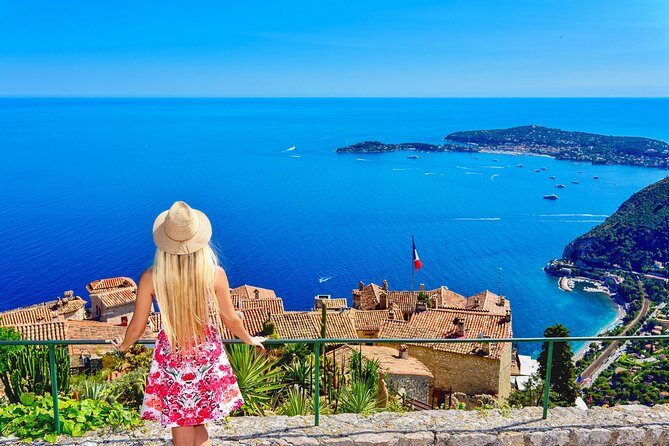
Between the winery visits, you get scenic stops that keep the tour from feeling like a rolling tasting classroom. One of the highlights is the Nice waterfront area with the famous blue seats. It’s a quick chance to reset your eyes after vineyard time.
You’ll also pass or pause at a place described as elegant with an old chapel and flat vine fields. That kind of stop matters because Bellet isn’t just wine—it’s geography. Seeing how the vines sit in relation to Nice helps you picture terroir in real space, not just as a definition on a brochure.
Bring a light layer if the afternoon feels breezy. The hills can change the feel of the air fast.
Stop 2: Domaine de la Source (Bellet) and family-run hospitality
The second tasting focuses on Domaine de la Source / Vin de Bellet, described as a family winery with excellent red wine production. You’ll see working elements like a greenhouse, vine fields, and cellar spaces.
This stop often comes off as more intimate and quietly charming. Guests frequently describe the family-run atmosphere as a standout moment—more personal, more relaxed, and easier to connect with if you enjoy talking directly with people who make the wine.
That said, not every tasting is identical in size. Some guests found this second visit had less generous wine pours than the first. If you’re the type who wants a long, drink-forward tasting, you may want to mentally frame this stop as the follow-up: a different style and working method, not necessarily a repeat of the first estate’s pace.
Learn while you sip: terroir, classifications, and why it matters
Bellet sits in a part of France where wine culture is local, but the wine logic is still very French. The guide’s role is to connect the dots between:
- where the grapes grow
- what that does to the wine
- how wine classifications help you read a bottle
You don’t need prior knowledge. Most travelers can participate, and the tour is in English (with the possibility of a multi-lingual guide as well). The aim is simple: you should leave feeling like you understand what you liked and why.
This is also why small-group size matters. With a larger group, the guide’s explanations turn into a lecture. With a smaller group, you’re more likely to get your questions answered—especially if you want to know how Bellet differs from other southern French styles.
Transport on real roads: comfort, timing, and car-sickness awareness
You’re in an air-conditioned vehicle, which helps in the heat, but the Bellet hills aren’t flat. Some guests mentioned the roads are narrow with tight turns, and one guide even asked ahead of time if anyone gets car sick. That’s a small detail, but it’s a big deal for comfort.
If you’re prone to motion sickness, take your usual preventative steps before you go. And yes, bring water if you like to stay hydrated during tastings.
Also, keep your expectations aligned with the half-day schedule: this is not a slow, multi-hour stroll through vineyards. It’s a compact, guided route designed to balance winery time with the scenic Nice stops.
Who this tour is for (and who should skip it)
This tour is a strong fit if you want:
- a small-group wine experience
- a realistic afternoon plan that doesn’t steal your whole day
- both wine and food tastings
- to understand the idea of terroir in plain language
It’s also a good choice for couples, small friend groups, and solo travelers who don’t want to rent a car.
It’s less ideal if:
- you’re traveling with children, since it’s not recommended for child due to wine tasting
- you want an ultra-long visit at one winery (this is timed to two stops)
- you’re extremely alcohol-sensitive and would prefer a lower-sampling experience
Notes on what you might see: winery substitutions and closed-site flexibility
The itinerary is designed with flexibility in mind. Vineyard stops are listed with multiple estate names as alternates if something is closed or unavailable. On the day, you may visit estates tied to the Bellet area, such as Château Crémat and Domaine de la Source, depending on access and operating status.
This matters because if you’re choosing this specific tour expecting one exact winery every time, you should read the itinerary carefully and be ready for a reasonable swap. The operator communicates that estate availability can change due to closure reasons.
The one practical takeaway: eat lightly and taste with intent
Wine tours can blur if you snack too heavily before you start. Many guests liked the food pairings during the winery visits, so I’d treat lunch like a prelude, not a feast.
When you’re tasting, slow down for the first few sips. Notice whether you prefer the whites, reds, or rosé styles served that day, and then use the guide’s explanations to connect those preferences to terroir and classification—not just personal taste.
If you end up loving a bottle, you may have an opportunity to arrange purchases and shipping depending on what the winery offers that afternoon. Don’t assume it’s guaranteed—just ask in a friendly, low-pressure way when you’re there.
Should you book this tour?
I’d book it if you want a structured, small-group Bellet organic wine afternoon from Nice that includes both wine and food and still leaves you time for dinner plans back in the city. The guide component is the real engine here: it turns tastings into something you can understand, not just sample.
I’d think twice if you need a child-friendly outing, want one estate only with maximum time, or are very concerned about the possibility of a winery swap due to closures. In that case, look for a format that locks in exactly one property.
If your goal is a relaxed, guided afternoon with real Bellet views—plus the fun of learning as you taste—this is the kind of tour that fits nicely between Nice sightseeing and a good evening meal.
FAQ
Where does the tour start and where does it end?
The tour starts at 5 Prom. des Anglais, 06000 Nice, France. It ends back at the same meeting point.
How long is the Provence Organic Wine Small Group Half Day Tour?
It runs for about 4 hours.
What’s included in the tour price?
You get wine tasting, food tasting, a professional guide, and transport in an air-conditioned vehicle.
Is the tour offered in English?
Yes. The tour is offered in English.
How many people are in the group?
The tour has a maximum of 14 people per booking, and it states a maximum of 15 travelers for the activity.
Is this tour suitable for children?
It is not recommended for children because the tour includes wine tasting.
What happens if weather conditions are poor?
This experience requires good weather. If it’s canceled due to poor weather, you’ll be offered a different date or a full refund.
If I cancel, is it refundable?
This experience is non-refundable and cannot be changed for any reason.