Cannes has two faces: film and stone. This guided walk gives you both, with a story-focused guide who talks like a screenwriter and points like a local, moving through the old town and ending at the heart of the festival. I love the screenwriter perspective you get on how Cannes became a movie magnet, not just a pretty resort.
Second, I love that you’re not stuck in trivia. You get real festival visuals, including time for photos at the Palais des Festivals’ red carpet area, tied to what it means for the industry. It helps the whole place feel less like a postcard and more like a working story.
One consideration: it’s a walking tour with viewpoints and some climb. If you’re slower on hills, you’ll want to pace yourself, because the route includes steps around Le Suquet and the higher church area.
In This Review
- Key highlights worth planning for
- Why a screenwriter lens makes Cannes make sense
- Tour at-a-glance: timing, group size, and walking pace
- From the old port to City Hall: where Cannes’ story starts
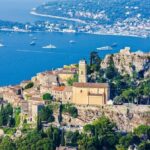
- Le Suquet old city stroll: narrow lanes and a dramatic angle
- Notre-Dame d’Espérance: the viewpoint that makes the climb worth it
- Tour du Masque de fer: Cannes’ favorite kind of mystery
- Marché Forville: the food-market stop that grounds the day
- The shopping streets in between: small breaks, real pacing
- Palais des Festivals: red carpet photos with festival context
- What you’re paying for: value in a 2h40 walk
- Who this tour suits best (and who might feel out of place)
- Should you book this Cannes screenwriter tour?
- FAQ
- How long is the guided tour in Cannes?
- What is the price per person?
- Is the tour offered in English?
- How many people are in the group?
- Where does the tour start and end?
- What’s included in the price?
- Are admissions included for the stops?
- Is a mobile ticket provided?
- Are snacks included?
- Is free cancellation available?
Key highlights worth planning for
- Sarit’s screenwriting background turns Cannes Film Festival stories into something you can actually picture.
- Old port to old town: you’ll connect luxury yachts and seaside glamour with the town’s earlier life.
- Le Suquet viewpoint time with a dramatic look over Cannes from the highest part of the old city.
- Tour du Masque de fer stop for a fun mystery-thread in Cannes’ historical storytelling.
- Marché Forville visit so you see the food-market side of the city (not only the festival side).
- Red carpet photo time at Palais des Festivals so you leave with an image and context, not just a photo op.
Why a screenwriter lens makes Cannes make sense
Most Cannes tours tell you what to see. This one explains why people care. A screenwriter’s brain naturally looks for turning points—so you’ll hear the festival story in a way that feels like plot, with characters, stakes, and timing, rather than a list of dates.
And the guide, Sarit, doesn’t just speak in broad strokes. She shares personal experience tied to the Cannes film world, plus her perspective as someone who writes for the screen. That matters because Cannes isn’t only about movies—it’s also about attention, access, and how the industry shows itself to the public.
You’ll also notice something subtle: the tour’s focus fits Cannes itself. The city switches moods fast. One minute you’re in classic seaside scenery; the next you’re at the place where film premieres become headlines. This walk helps you feel that shift instead of treating it like separate attractions.
You can also read our reviews of more guided tours in Cannes
Tour at-a-glance: timing, group size, and walking pace
Plan on about 2 hours 40 minutes of guided walking. The tour is offered in English, and it’s designed for small groups with a maximum of 15 travelers.
If you’re arriving by cruise ship, you’ll appreciate that there are multiple start times to match cruise schedules. That scheduling detail can be the difference between a relaxed stroll and a forced sprint to catch a bus.
Fitness-wise, keep a moderate level in mind. The route includes viewpoints and stairs. One key note from the guide’s own clarification: the climb toward the viewpoint area is more like 60–70 meters, not a huge vertical hike. Still, it’s enough to matter if you’re easily winded or don’t like steps.
From the old port to City Hall: where Cannes’ story starts
You begin at Parking Laubeuf P3, Quai Max Laubeuf. From there, the walk starts with the old port, where you’ll look out at luxury yachts and the seaside history that shaped Cannes’ early identity.
This first segment matters because it sets up the contrast you’ll experience later. Cannes didn’t become Cannes only because of film. The town’s glamour grew alongside its role as a seaside destination, and the port is where that energy shows first.
Next, you’ll arrive at City Hall, and this is where the tour shifts from scenery to context. You’ll discuss how Cannes became famous—how the location, the audience, and the industry spotlight all fed each other over time. It’s a helpful anchor, especially if this is your first visit and you want a framework you can carry through the rest of the day.
Le Suquet old city stroll: narrow lanes and a dramatic angle
After City Hall, you head to Le Suquet, the old city area. This is where Cannes slows down. The streets feel more historical, more textured, and less like a designed backdrop.
The tour gives you time to actually look around instead of rushing past “pretty streets.” You’ll get a feel for the old-town layout—how the area climbs and how your perspective changes as you move toward the higher points.
Then you’ll continue up toward the top of the city, where the tour becomes more than a wander. Le Suquet is the setup for the best viewpoint moment of the walk.
Notre-Dame d’Espérance: the viewpoint that makes the climb worth it
At the higher point sits Église Notre-Dame d’Espérance de Cannes. This stop is short on paper—about 20 minutes—but it’s long enough to do two important things: take in the view, and connect it to what you’re seeing below.
The church area is the kind of place where the whole day starts to snap into focus. From above, you’ll understand how Cannes spreads, how the coast shapes the town, and why people love the geometry of this part of France.
The cathedral visit is also a nice change of pace from the festival talk. Even if you’re here for cinema, it’s smart to include a cultural stop like this. It balances the day so the festival moment at the end doesn’t feel disconnected from local life.
Tour du Masque de fer: Cannes’ favorite kind of mystery
Next comes Tour du Masque de fer, a brief stop that leans into a classic tale—who was the man in the iron mask? It’s quick, but it gives you that “film script” feeling in a historical setting.
This kind of story break is useful. After you’ve built context in the old town and enjoyed the view, you want a thread that’s fun and memorable. The iron mask legend does that well.
It also keeps the tour from being only solemn history. Cannes is glamorous, yes, but it’s also playful in how it passes stories along.
Marché Forville: the food-market stop that grounds the day
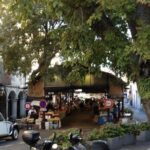
When the tour heads to Marché Forville, you shift into a more everyday Cannes. Markets are where you see how a place eats, shops, and talks when the cameras aren’t rolling.
You’ll get about 20 minutes here. That’s not long enough to become a full-on food crawl, but it’s plenty to walk the aisles, take in colors, and get recommendations from the guide about what to look for and what’s worth your time.
This market stop is also a smart contrast to the festival complex at the end of the tour. After seeing uniforms, step-and-repeat energy, and red carpet visuals, it’s refreshing to spend time where locals and visitors mix over food.
One more practical point: the tour doesn’t include snacks. If you’re the type who needs a bite midway through, you’ll want to plan to pick something up around the market area or along the shopping street time.
The shopping streets in between: small breaks, real pacing
You’ll also stroll through a street full of shops. That stop isn’t just for window shopping. It gives you a breathing interval between bigger landmarks—so you can slow your pace, regroup, and keep your energy steady.
It’s the kind of small timing cushion that makes a walking tour feel more humane. Even if you’re moving most of the time, those mini pauses help you enjoy the scenery instead of constantly thinking about the next stop.
Use this segment to reset your camera and water. Also, if you spot something you want, this is the easiest time to grab it before the day tightens around the festival finale.
Palais des Festivals: red carpet photos with festival context
The final main stop is the Palais des Festivals et des Congrès of Cannes. This is where the title promise becomes real: you’ll discuss the history of the Cannes Film Festival, and you’ll take photos on the red carpet area.
The value here isn’t only the photo. The value is that you’ll understand what you’re standing in. With the earlier stops, you’ve already built the story of Cannes—port and town first, then the festival center. By the time you reach the Palais, you’re not seeing a building in isolation.
Also, the tour ends with this moment in a satisfying way. You’ll finish at the Palais des Congrès area, so the day closes with a strong visual payoff.
If you care about movies but also care about context, this is the best part. You get the glamour shot and the why behind it.
What you’re paying for: value in a 2h40 walk
At $60.33 per person, this isn’t a budget throwaway tour—but it also isn’t a high-ticket, all-day production. For that price, you get a guided walk (the guide is included), multiple landmark stops, and festival photo time.
One big value factor: the itinerary lists admission tickets as free for the stops. That means you’re mostly paying for the human guide and the storytelling, not entrance fees.
Another value factor is the group size. A maximum of 15 travelers makes it easier to ask questions, keep up on the route, and hear the guide over the noise of a busy city. In a place like Cannes, where crowds can be intense, that small-group setup feels like part of the product, not a side detail.
The one thing to budget outside the tour: snacks aren’t included. If you’re out for nearly three hours and you’re walking, it’s smart to plan for a small mid-day snack or a market purchase.
Who this tour suits best (and who might feel out of place)
This is a great fit if:
- you want Cannes beyond the beach and beyond a single landmark
- you’re a movie fan who likes how industries work, not only famous faces
- you enjoy historical context tied to modern culture
- you prefer a small-group walk with a guide who can answer questions
This is less ideal if:
- you strongly dislike steps or steep old-town streets (the viewpoint climb is a real factor)
- you want lots of museum time or long indoor stops
- you’re looking for a fully food-focused experience with included tastings (this is more about city + story, with market time for browsing and recommendations)
Also, since it’s offered in English, it suits English-speaking visitors who want the storytelling without translation delays.
Should you book this Cannes screenwriter tour?
Book it if you want your Cannes day to feel like a connected story. I like that you start with the port and town history, you work your way up through Le Suquet and the viewpoint church, and you finish at the Palais with festival context and red carpet photos.
Skip it if your top priority is maximum time at the beach, or if you hate walking in an old city with stairs. Also, if you’re traveling with very specific mobility needs, you should think carefully about the moderate fitness requirement and the steps involved.
If you do book, my practical tip is simple: wear comfortable shoes and expect a steady pace. Then let Sarit’s screenwriter viewpoint do what it’s best at—turn Cannes into a story you can actually remember.
FAQ
How long is the guided tour in Cannes?
The tour lasts about 2 hours 40 minutes.
What is the price per person?
The price is $60.33 per person.
Is the tour offered in English?
Yes, the tour is offered in English.
How many people are in the group?
The tour has a maximum of 15 travelers.
Where does the tour start and end?
It starts at Parking Laubeuf P3, Quai Max Laubeuf, 06400 Cannes, France and ends at Palais des Congrès, 06400 Cannes, France, where you take photos on the red carpet.
What’s included in the price?
The tour guide is included.
Are admissions included for the stops?
The itinerary indicates admission tickets are free for the listed stops.
Is a mobile ticket provided?
Yes, the tour offers a mobile ticket.
Are snacks included?
No, snacks are not included.
Is free cancellation available?
Yes. You can cancel up to 24 hours in advance for a full refund.
If you want a Cannes walk that links old-town streets to the modern film-machine, this one is built for that.